BUDGET-FRIENDLY ACCESS
Harbor Freight Tools Ladders: Quality You Can Actually Afford
DIY enthusiasts and budget-conscious pros know a good ladder shouldn’t drain your project fund. Harbor Freight Tools delivers reliable step, extension, and specialty ladders built for real jobs-from swapping a porch light to re-caulking a second-story window-without the markup you’ll find at big-box competitors. These ladders meet the same safety standards as pricier brands, so you spend less and climb with…
Ladder Models Available
Lbs. Max Weight Capacity
Average Customer Rating
CATEGORY RANGE
The Right Ladder for Every Job
Harbor Freight stocks task-specific ladders so you match equipment to the work-not the other way around.
Step Ladders for Interior Tasks
Self-supporting A-frame designs let you change ceiling bulbs, paint crown molding, or organize garage shelving without leaning against a wall. Available in 4 ft. to 8 ft. heights for rooms from basement workshops to cathedral ceilings.
Extension Ladders for Roof Access
Two-section rails extend from 16 ft. up to 28 ft., giving you the reach to clean second-story gutters, install soffit vents, or power-wash siding. Smooth pulley systems and locking rung clips keep the sections secure once set.
Multi-Position Configurations
Hinged joints let a single unit convert between A-frame, 90-degree wall stance, staircase mode, and scaffold base. Fewer ladders to haul to the job site means more room in the truck bed for materials.
Fiberglass Rails, Not Aluminum Alone
Several models use non-conductive fiberglass side rails, a safer pick around live wiring in garages, basements, or exterior service panels. Aluminum variants remain available where weight savings matter more.
Load Ratings from 200 to 375 lbs
Type II (225 lb), Type IA (300 lb), and Type IAA (375 lb) ratings let you choose capacity to match your body weight plus tools-no guessing whether a rung will flex under a loaded tool belt.
Sizes That Cover 4 ft. to 28 ft.
Compact 4 ft. step stools for pantry reach through full-length 28 ft. extension models for two-story exterior work-the span covers nearly every residential and light-commercial height in a single product family.
MULTI-POSITION LADDER
Step Ladders
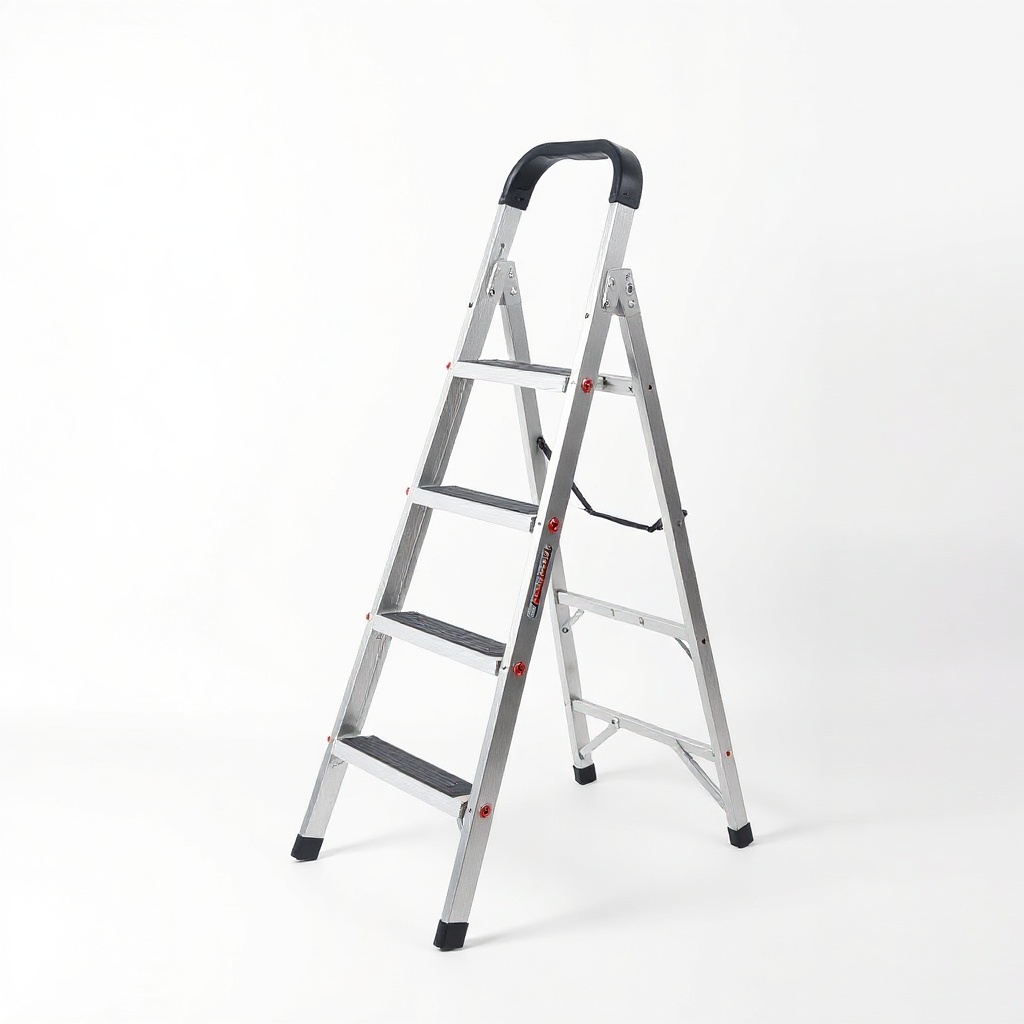
One ladder that handles five different setups saves garage space and cuts down on the gear you haul to each job. The MT-22 locks into an A-frame for quick ceiling work, folds flat to span a scaffold platform, and adjusts to fit staircase angles that trip up standard ladders. Aluminum construction keeps weight at 37 pounds, so moving between configurations takes seconds, not muscle. A common tradeoff: the wider…
- Configures as A-frame, 90-degree, staircase, scaffold base, or extension ladder up to 22 feet
- Double-riveted aluminum rungs rated for 300-pound load capacity
- Spring-loaded J-locks allow fast, one-hand position changes
- Compact 4 ft. folded length fits in truck beds and closet corners
- Slip-resistant rubber feet on all four contact points
BUYING GUIDE
How to Choose Your First Ladder
The right ladder depends on two things: where you’ll use it and how high you need to reach. Interior tasks like painting a bedroom ceiling require a different setup than cleaning second-story gutters. This guide breaks down the key factors so you can match the ladder to the job without overspending.
Primary Location
Step ladders shine on flat indoor floors where you need freestanding stability. Extension ladders are built for outdoor use against walls, roofs, and tree limbs.
Required Reach Height
Measure from the ground to the highest point you need to work. Add 3 to 4 feet to account for the safe standing rule-never use the top two rungs.
Weight Capacity
Factor in your body weight plus tools and materials. Duty ratings range from 200 pounds for light household jobs to 375 pounds for heavy-duty professional use.
Storage Space
A 24-foot extension ladder needs a garage wall or ceiling hook. If you’re in a small apartment, a compact step ladder or telescoping model fits better.
Frequency of Use
Occasional weekend projects can get by with a basic aluminum step ladder. Weekly jobsite work justifies investing in fiberglass for electrical safety and durability.
Ground Conditions
Flat concrete favors step ladders. Uneven yards or sloped driveways may require an extension ladder with adjustable leg levelers for stable footing.
Ladders That Disappear When Done
When storage space is tight, a full-size ladder isn’t always practical. These Harbor Freight options collapse, fold, or telescope down to fit in a closet, truck bed, or between garage shelves.
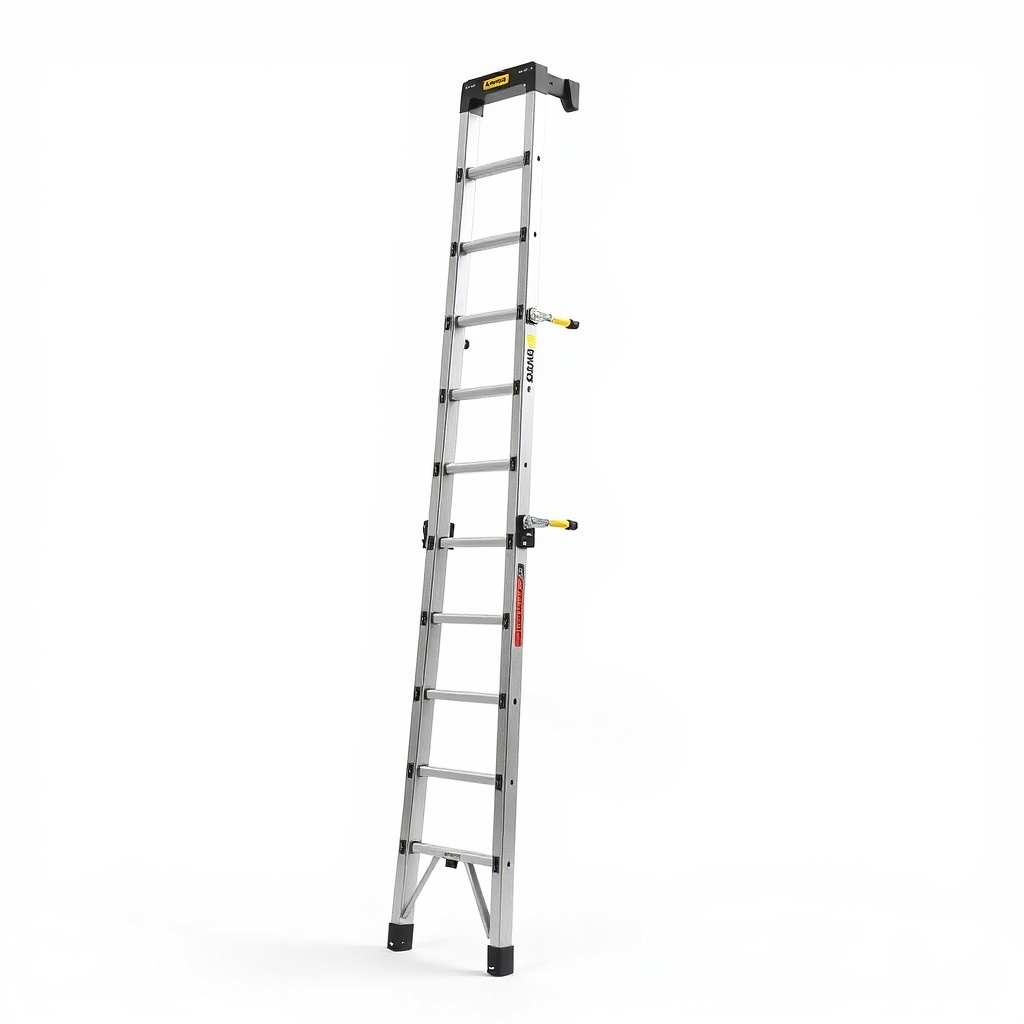
Extension Ladders
Adjustable height ladders designed for reaching high exterior areas such as roofs, gutters, and upper-story windows.
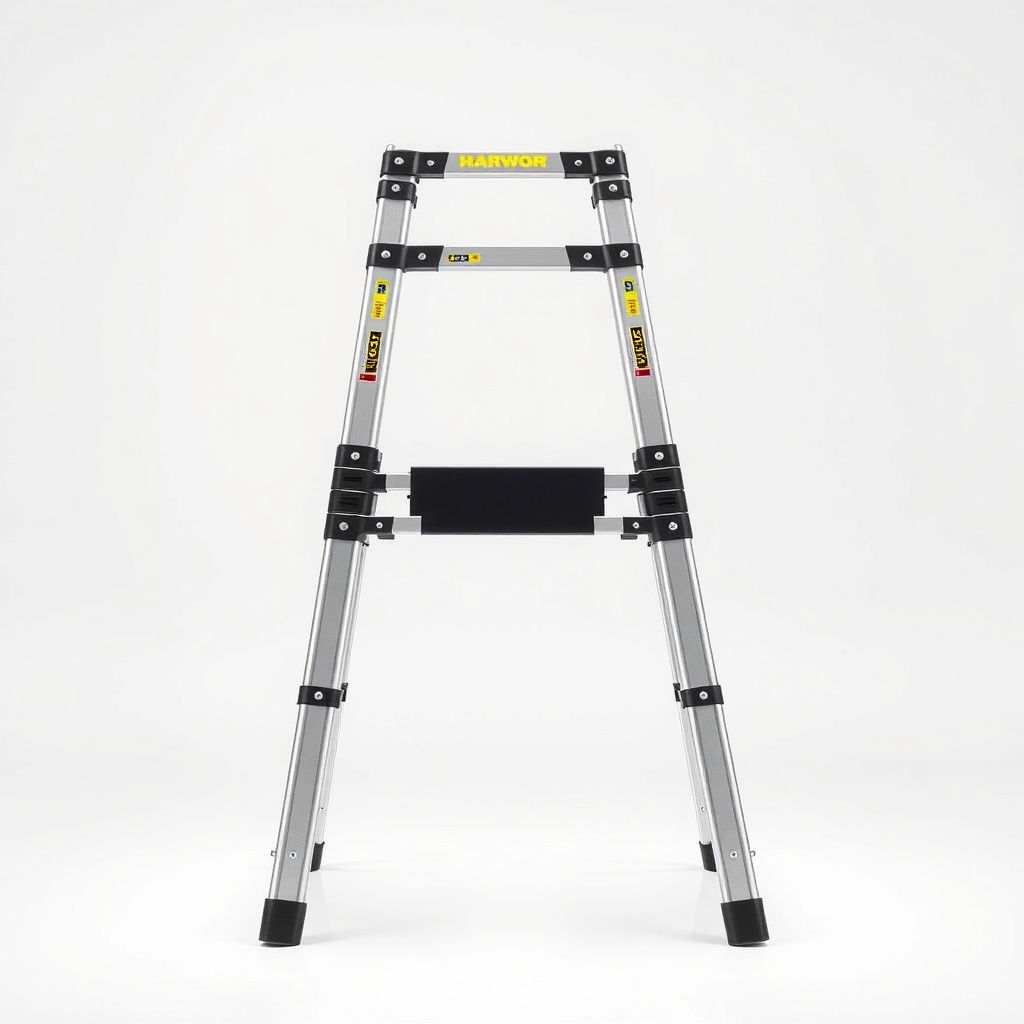
Multi-Position Ladders
Configures as an A-frame, staircase, or 90-degree leaner-then folds down narrow enough to hang on a wall-mounted hook.
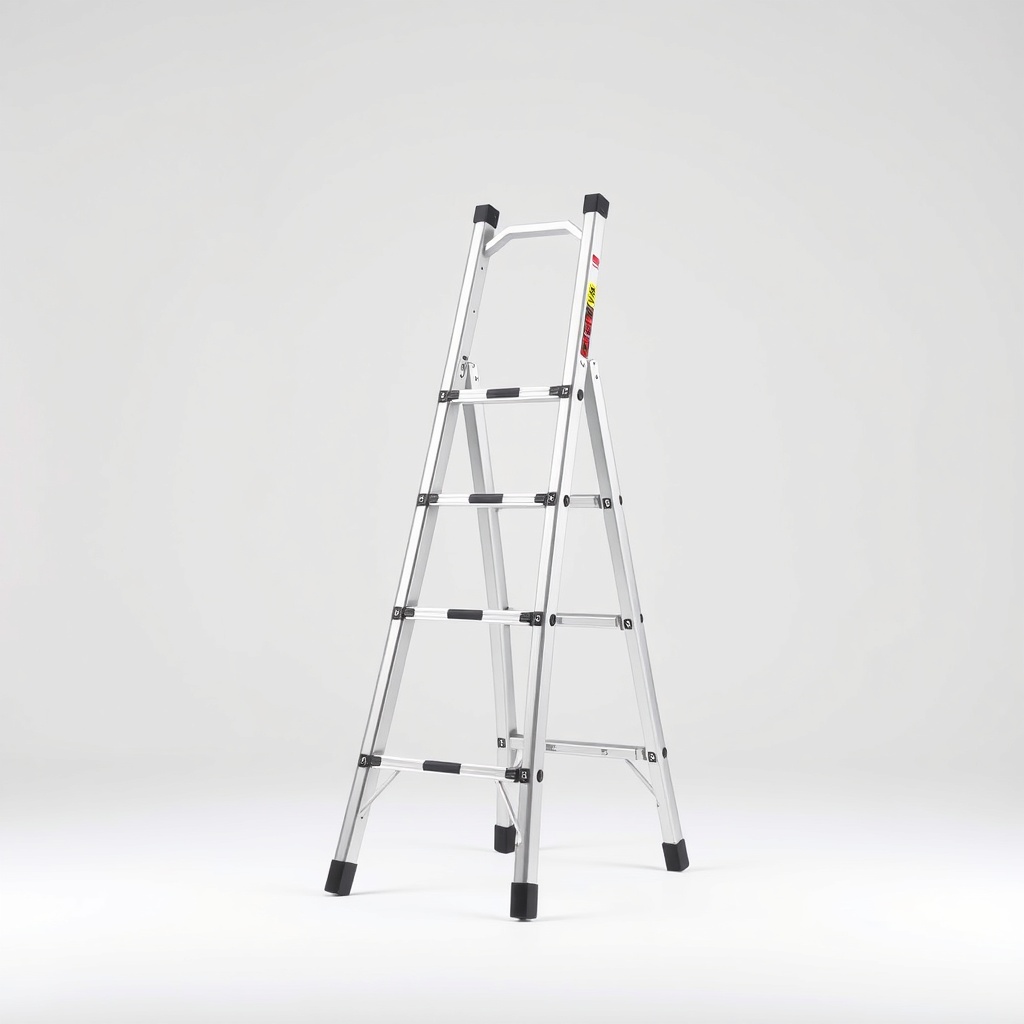
Telescoping Ladders
Extends to full working height in seconds, then retracts to roughly 3 feet for storage behind a door or in a trunk.
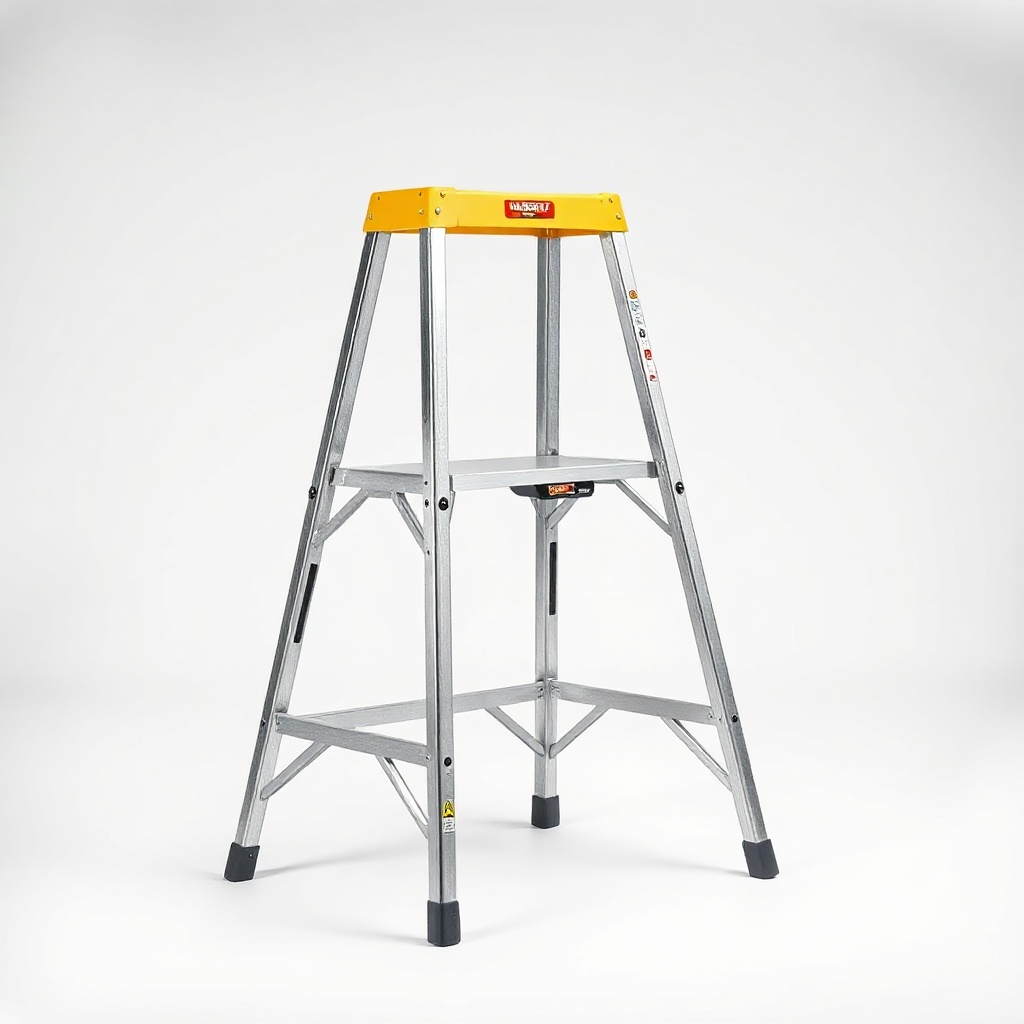
Platform Ladders
Ladders with a built-in standing platform for enhanced stability and comfort during prolonged overhead tasks.
What Painters Actually Buy Here
Harbor Freight’s step ladders are the go-to choice for interior painting tasks. Users consistently praise their sturdy build and affordable price point, making them ideal for reaching ceilings, trim, and upper walls. While they lack some premium features found in contractor-grade brands, the value proposition for weekend painters and budget-conscious pros is clear. The compact folding design fits easily in a…
Pros
- Affordable price point for budget-conscious painters
- Sturdy A-frame design holds steady on flat surfaces
- Lightweight aluminum frames are easy to carry room to room
- Compact folding storage fits in small closets or truck beds
Cons
- Plastic feet may wear faster than rubberized alternatives
- Locking mechanisms can feel less refined than premium brands
- Limited weight capacity on smaller models restricts heavy paint can storage
Bottom Line
A solid, no-frills option for interior painting work that won’t break the bank. Best suited for homeowners and occasional-use professionals who prioritize cost savings over long-term heavy-duty performance.
BUILT TO LAST
Why Pros and DIYers Trust Harbor Freight Ladders
Harbor Freight Tools ladders meet strict safety standards and come with solid warranty coverage, so you can climb with confidence on every job.
Store Locations Nationwide
1,300
Customers Served Annually
40
Satisfaction Guarantee
90
Your Top Ladder Questions, Answered
Get straight answers on sizing, safety, and maintenance for Harbor Freight ladders.
- How do I choose the right ladder h
- What is the maximum weight capacit
- Are platform ladders more stable t
- How often should I inspect my ladd
- Can I use a fiberglass ladder near
The ideal height depends on your task. A general rule is to select a ladder that allows you to work comfortably without standing on the top two rungs. For a 10-foot ceiling, a 6-foot step ladder typically gives you adequate reach. Extension ladders should extend 3 feet above the roofline for safe roof access.
Weight capacity, or duty rating, varies by model. Household ladders are often rated for 200-250 pounds. Professional and industrial models from Harbor Freight can support 300-375 pounds. Always check the specifications label on the ladder itself for the exact load limit, which includes your weight plus tools and materials.
Yes, platform ladders provide a significant stability advantage. The wide, lockable standing platform offers a secure base that reduces fatigue during prolonged tasks like drywall installation or ceiling work. This design gives you more confidence and freedom of movement compared to balancing on narrow rungs.
Inspect your ladder before every use. Check for bent or cracked rails, loose rivets, and damaged rungs. Ensure all locks and spreaders engage fully. A more thorough inspection of hardware and structural integrity should be done quarterly for ladders in regular professional use. Replace any ladder that shows signs of damage.
Fiberglass ladders are non-conductive and are the recommended choice for work near electrical sources, power lines, or circuits. Aluminum ladders conduct electricity and pose a serious shock hazard in these situations. Always verify your ladder’s material and condition before starting any electrical or overhead utility work.
Type I ladders have a 250-pound load capacity for commercial use. Type IA models are rated for 300 pounds, making them suitable for heavier users or tasks requiring heavy tools. Type IAA ladders support 375 pounds for industrial applications. The type is clearly marked on the ladder’s safety label.